



Interior design is not only about creating aesthetically pleasing spaces, but also about how those spaces make us feel. Sensory decoration aims to create environments that stimulate the five senses to enhance well-being, generate positive emotions, and connect people with their surroundings. From textures to aromas, lighting to sounds, every detail matters when designing a home that awakens the senses.
At Brissa Interiorismo, we will explore how you can incorporate different sensory elements into your home to transform your space into a sanctuary that relaxes, inspires, and revitalises you.
Textures That Invite Touch
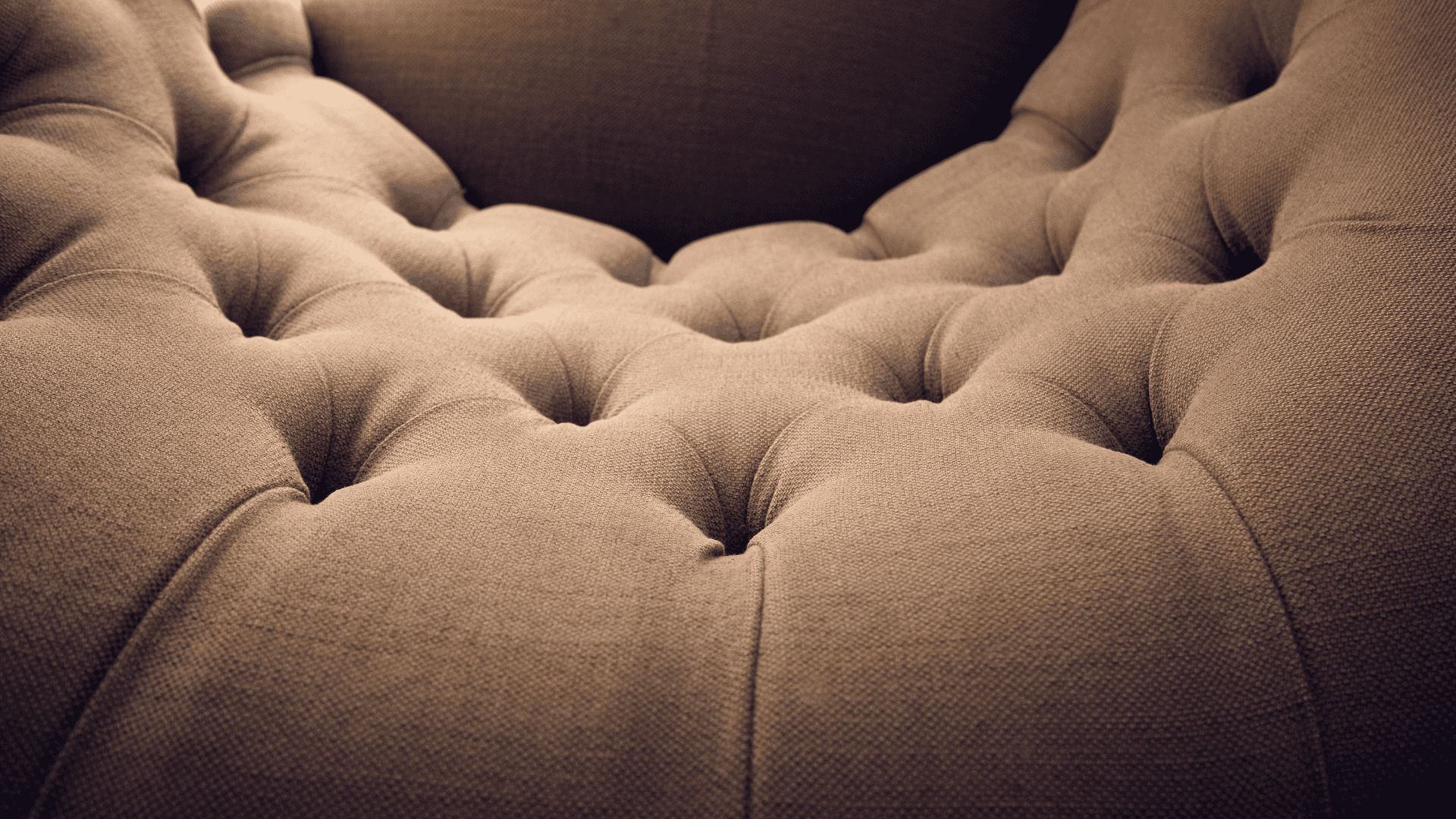
Touch is the sense that most connects our body with space. Textures are key to making a room feel cosy and comfortable. Here are some ways to incorporate them:
- Soft and cosy fabrics: Wool blankets, velvet cushions, or shaggy rugs can add a touch of warmth and softness to any room. These textures invite relaxation and create a sense of comfort.
- Natural materials: Introducing materials like wood, linen, cotton, or rattan adds an organic and earthy dimension. These materials, besides offering a relaxing aesthetic, feel pleasant to the touch, and their variation in texture creates interesting contrast.
- Contrasting surfaces: Playing with the contrast between smooth and rough, cold and warm surfaces (such as marble against wood, or metal against fabrics) not only enriches the space visually but also makes physical interaction with it more stimulating.
Aromas That Evoke Emotions
Smell is one of the most powerful senses, capable of evoking memories and emotions. A good scent can transform the atmosphere of a room, directly influencing your mood. Here are some ideas on how to make the most of this resource:
- Scented candles and diffusers: These are a classic option for adding fragrance to any space. Choose scents based on the type of atmosphere you want to create: lavender for relaxation, citrus for energy, vanilla or cinnamon for warmth.
- Aromatic plants: Incorporating plants like lavender, rosemary, or jasmine not only adds a natural and decorative touch but also provides a fresh, gentle fragrance.
- Incense and essential oils: These elements are ideal for moments of meditation or deep relaxation. Essential oils not only scent the space but also have therapeutic properties that can help relieve stress or promote better sleep.
Sounds That Calm the Mind
Sound is an essential element for creating relaxing or dynamic environments. Though often overlooked in decoration, sensory design is incomplete without considering the acoustics of the space and the sounds within it.
- Ambient music: Smart speakers or hidden sound systems can be a great way to fill your home with relaxing music, nature sounds (like water or birdsong), or playlists that match your mood.
- Water features: Installing a small water fountain creates a constant, soft sound, known for its ability to reduce stress and generate a sense of peace.
- Reducing environmental noise: Choose thick curtains or rugs to absorb external noise and make your home a quieter place. Fabrics and padded furniture can also help improve acoustics and reduce echoes in large rooms.
Lighting That Shapes the Space
Light influences how we perceive colour, shapes, and space, but it also has a profound impact on how we feel. Sensory lighting focuses not only on functionality but also on how we can use it to create different atmospheres.
- Natural light: Make the most of natural light to increase the vitality of the space. Large windows, translucent curtains, or strategically placed mirrors can help reflect and maximise the light that enters.
- Warm lights: Warm light bulbs create a cosy and relaxing atmosphere. Opt for dimmable lamps to adjust the intensity depending on the time of day or the mood you want to create.
- Candles: Candles not only add soft, diffused lighting but also create an intimate and relaxing environment. They are perfect for dinners or moments of unwinding.
Visual Stimuli That Make an Impact
Sight is the most obvious sense when decorating a space, but in the context of sensory decoration, the key lies in selecting elements that are not only aesthetically pleasing but also provoke an emotional response.
- Balanced colour palettes: Colours have a direct impact on our emotions. Neutral tones like beige or grey can create relaxing environments, while vibrant colours like blue or green can bring freshness and energy.
- Art and decorative details: Choose pieces that convey emotions, such as paintings, sculptures, or photographs that connect you with memories, aspirations, or simply bring you joy.
- Natural elements: Plants not only add an aesthetic touch but also have calming and relaxing effects. Additionally, green is a colour that promotes serenity and well-being.
Sensory decoration goes beyond the visual. It’s about designing spaces that not only look good but also make us feel good by connecting with all our senses. By integrating cosy textures, relaxing aromas, calming sounds, soft lighting, and impactful visual elements, you can transform any space into a sensory haven that promotes well-being and comfort.
Creating a home where all five senses are stimulated not only enhances the environment but also improves your quality of life. Embrace the idea of designing your space from a sensory perspective and feel the difference!
If you’re considering redecorating your interior, we encourage you to contact us to hire our services. At Brissa Interiorismo, we can help you create a home that reflects your unique style.
We also invite you to follow us on social media!
Comments are closed.